
On August 7, 2026, the main Botanical garden of Almaty hosted as part of the educational initiative “Source of the Future,” AlmaU hosted a lecture by Zhаnia Khаibullina, PhD, Director of the AlmaU Center for Sustainable Development. The lecture focused on contemporary challenges related to water security and the responsible management of water resources. The presentation, titled “Why Every Drop Matters,” explored the interconnectedness of climate change, sustainable development, the economy, and the everyday choices made by individuals.
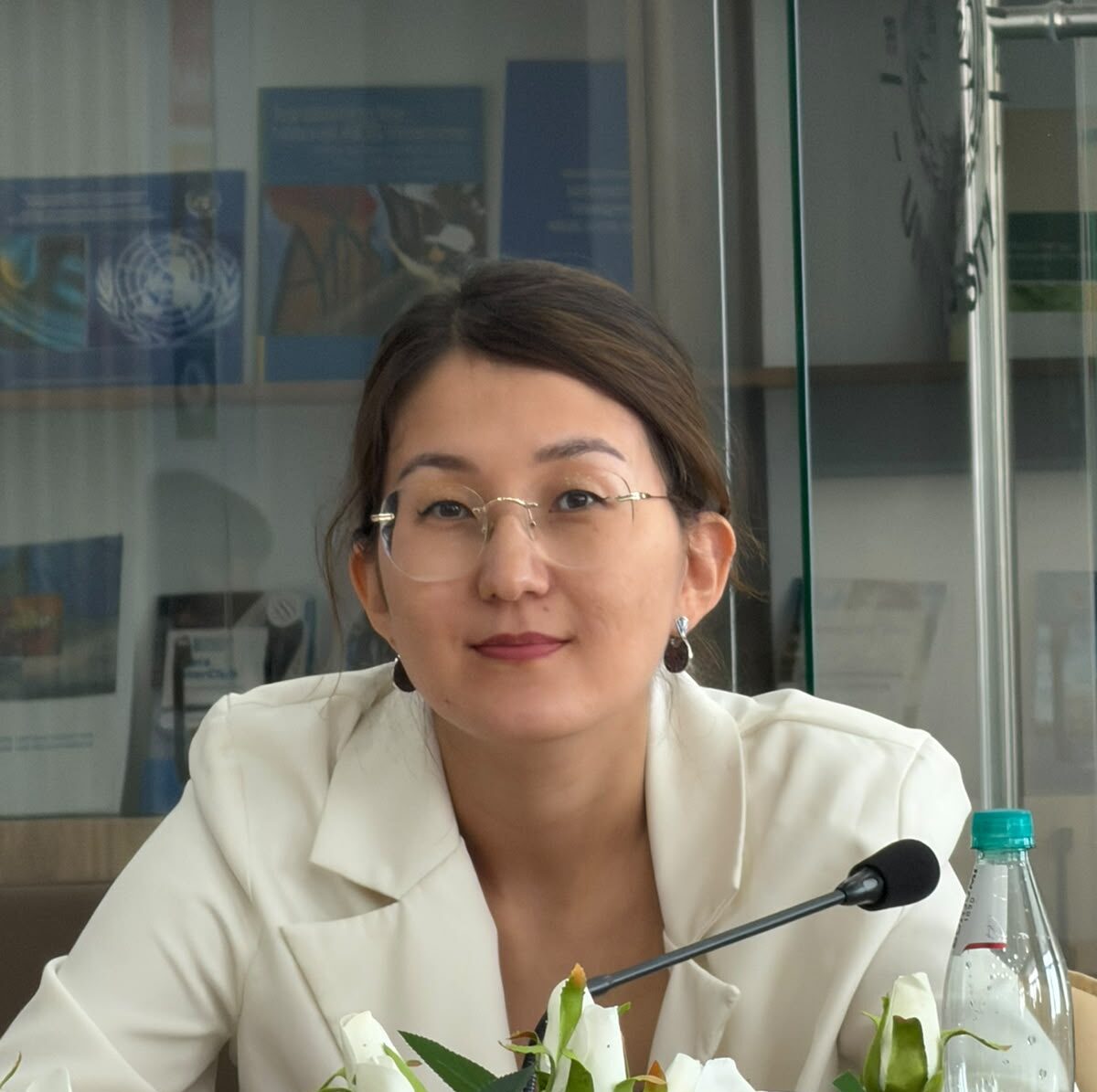
During the lecture, it was emphasized that water is no longer simply a natural resource but also a critical factor of national, economic, and regional security. For Central Asian countries, water availability is becoming increasingly important amid climate change, population growth, and a high dependence on transboundary water resources.
Particular attention was paid to Kazakhstan, which is among the countries in the region with a high level of dependence on water resources. Nearly half of the country’s surface water runoff originates outside its borders, while major water sources include transboundary rivers originating in Kyrgyzstan and Tajikistan. These circumstances highlight the need for stronger international cooperation and the adoption of modern approaches to water resource management.
One of the central topics of the lecture was the Aral Sea, one of the largest environmental crises of the 20th and 21st centuries. Using satellite data and statistical evidence, the presentation demonstrated how inefficient water resource management led to a reduction of more than 80% in the area of the Aral Sea, environmental degradation, and significant socioeconomic consequences for communities in the Aral Sea region. At the same time, the experience of constructing the Kokaral Dam demonstrates that well-designed engineering solutions can not only contribute to the restoration of natural ecosystems but also have a positive impact on employment, the local economy, and quality of life.
Another part of the lecture focused on the concept of the water footprint — a modern tool for assessing the total volume of water used in the production of goods and services. Participants were introduced to the concepts of green, blue, and grey water footprints, as well as the concept of virtual water, which is transferred between countries through agricultural and industrial products. It was highlighted that Central Asia exports significantly more virtual water than it imports, while irrigated agriculture and cotton production remain among the major consumers of blue water.
The lecture concluded with practical recommendations for reducing individual water footprints. These included responsible consumption, extending the lifespan of clothing, reducing food waste, choosing local and seasonal products, using water efficiently at home, and supporting producers that implement water-saving technologies.
The speaker emphasized that sustainable water management begins with conscious decisions made by individuals, while water conservation is a shared responsibility of governments, businesses, academia, and society.
The lecture generated strong interest among the audience and provided a platform for discussing modern approaches to water security, the development of a culture of responsible water consumption, and progress toward the UN Sustainable Development Goals related to the responsible and sustainable use of water resources.