
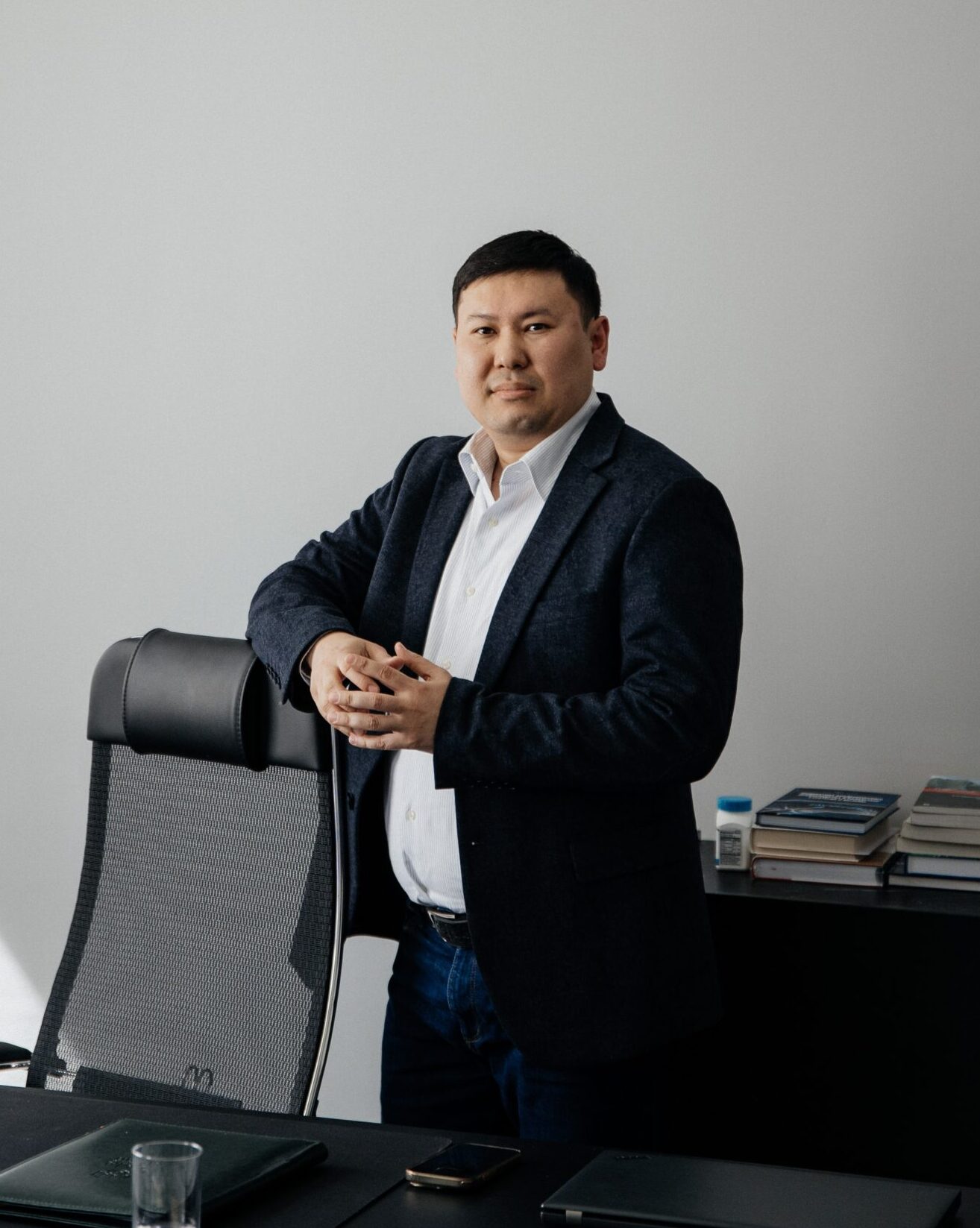
Timur Buldabayev, Rector of Almaty Management University (AlmaU), has shared his expert perspective on the Address of the President of the Republic of Kazakhstan, Kassym-Jomart Tokayev, entitled “Current Priorities of Kazakhstan in a New Historical Cycle.” His commentary focuses on entrepreneurship development, the digital transformation of the economy, human capital development, and the role of higher education in advancing national priorities.
In his analysis, Timur Buldabayev examines the key provisions of the Address through the lens of entrepreneurial economic development, artificial intelligence adoption, workforce development, and stronger collaboration among the government, businesses, and universities.
Timur Buldabayev: “Kazakhstan’s Future Depends on Our Ability to Turn Knowledge into Technology and Ideas into Tangible Results”
In my view, the central message of the Address is the need to transition to a new model of economic development, one in which growth is driven not only by natural resources and public investment, but above all by entrepreneurial initiative, technology, knowledge, and labour productivity.
Entrepreneurship as the Foundation of a Sustainable Economy
I consider the President’s focus on the development of small and medium-sized enterprises (SMEs), particularly medium-sized businesses, to be especially important. SMEs now account for 40% of Kazakhstan’s GDP. However, further progress requires more than an increase in the number of businesses; it also calls for qualitative growth and greater business capacity.
I support initiatives aimed at reducing administrative barriers, improving tax legislation, protecting entrepreneurs from unjustified inspections, and expanding access to long-term financing.
At the same time, it is important to recognise that a strong entrepreneurial economy cannot be built through favourable regulatory conditions alone. It also depends on entrepreneurial thinking, management competencies, and a culture of innovation.
Universities, particularly business schools and business-oriented universities, have a significant contribution to make in this area. Our responsibility is not limited to preparing qualified professionals for the existing labour market. We must also develop people who can establish new companies, create jobs, and deliver technological solutions.
Artificial Intelligence and the Next Stage of Economic Productivity
I would also like to highlight the Head of State’s emphasis on artificial intelligence and the digital economy.
Artificial intelligence is no longer merely a technological tool. It is becoming a key driver of business competitiveness, public-sector efficiency, and labour market transformation.
However, digitalisation alone does not guarantee economic growth. Its impact must be measured through tangible outcomes, including higher labour productivity, lower operating costs, the development of new products, and improved public and private services.
At AlmaU, we view artificial intelligence as an integral part of the university’s broader transformation. We are developing our own AI solutions, integrating new technologies into educational and administrative processes, supporting faculty development, and equipping students with new digital competencies.
Human Capital: A Prerequisite for Successful Reform
Large-scale infrastructure projects, energy modernisation, and the development of industry, agriculture, and logistics create new opportunities for Kazakhstan’s economy.
However, realising these opportunities requires a strong and appropriately skilled workforce.
Kazakhstan needs not only engineers, technologists, and IT specialists, but also modern managers, entrepreneurs, and researchers capable of working across disciplines and industries.
In my view, higher education faces a fundamental task: moving beyond the predominant focus on knowledge transmission towards developing the ability to apply knowledge, think critically, create new solutions, and take responsibility for outcomes.
At AlmaU, we are systematically developing our Tolyq Adam values-based and competency-oriented educational model, which integrates professional knowledge, entrepreneurial thinking, leadership, and social responsibility.
We believe that technological progress must go hand in hand with the development of human qualities. As artificial intelligence expands what people can accomplish, independent thinking, ethics, creativity, and accountability become even more important.
Investment, Infrastructure, and Regional Development
I consider the President’s initiatives to attract investment, modernise energy and transport infrastructure, develop manufacturing and agriculture, and improve urban development to be important priorities. The transition from a resource-based model towards an economy that generates greater added value is particularly relevant.
Implementing these initiatives requires coordinated efforts by the government, businesses, the scientific community, and universities. Universities can serve not only as providers of skilled professionals, but also as centres for applied research, technological development, analytical work, and expert support for regional development.
The development of Alatau City and the introduction of new investment mechanisms also deserve particular attention. Initiatives of this kind create opportunities to build innovation ecosystems in which education, research, entrepreneurship, and investment are closely interconnected.
Effective Governance and Society
Another important priority of the Address is improving the effectiveness of public administration, strengthening the rule of law, and ensuring transparency and accountability across public institutions.
Entrepreneurship cannot flourish without trust in institutions, predictable regulations, and equal opportunities.
The emphasis on targeted social support, the development of healthcare and education, and improvements in citizens’ well-being is equally important. Economic growth must translate into a better quality of life, accessible public services, and broader opportunities for personal and professional fulfilment.
The Role of Universities in a New Historical Cycle
Today, universities must play a more active role in advancing the country’s development agenda.
At AlmaU, we see our mission as preparing a new generation of entrepreneurs and leaders, advancing applied research and international cooperation, and developing solutions that respond to the needs of the economy and society.
I am convinced that implementing the reforms outlined by the President will require a new level of collaboration among the government, businesses, and universities.
Kazakhstan’s future will be determined not only by the volume of investment or the scale of infrastructure projects, but also by our ability to turn knowledge into technology, ideas into businesses, and human potential into tangible results that benefit the country.
This is one of the key missions of a modern university.
Timur Buldabayev
Rector of Almaty Management University (AlmaU)