
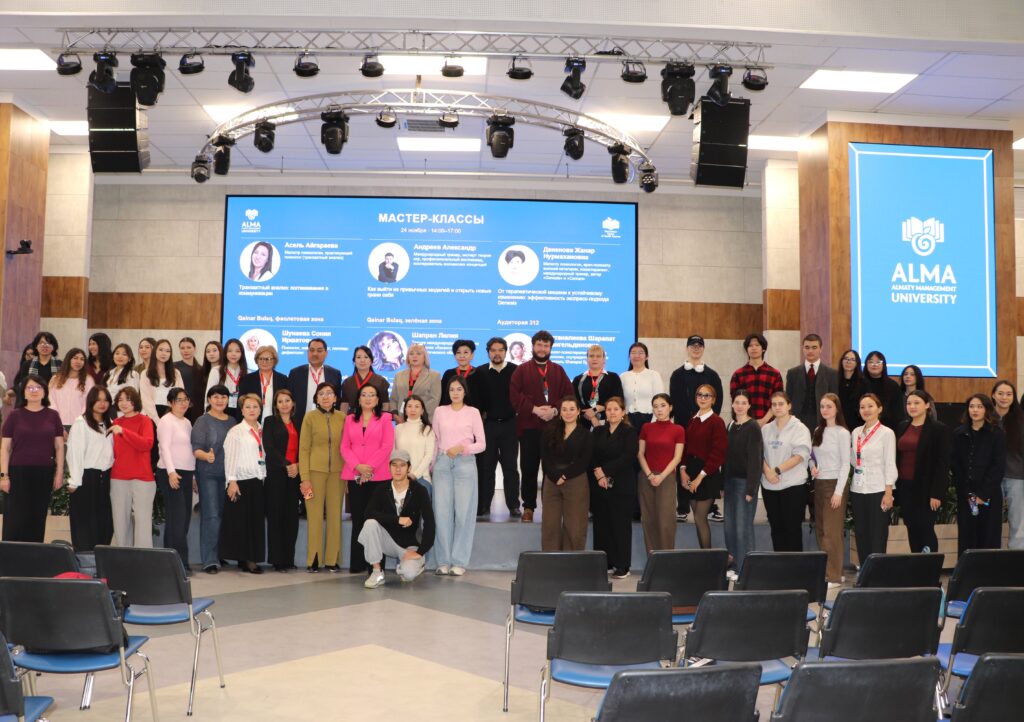
On November 24-25, 2026, AlmaU hosted an international conference as part of Psychology Week, titled “Modern Trends in Psychological Science and Practice”. The event was organized by AlmaU’s Sharmanov School of Health Sciences.
The conference brought together representatives of the academic and professional psychology communities, practicing specialists, researchers, faculty members, and students to discuss current developments in psychological science, contemporary approaches to professional practice, and the transformation of psychological education.
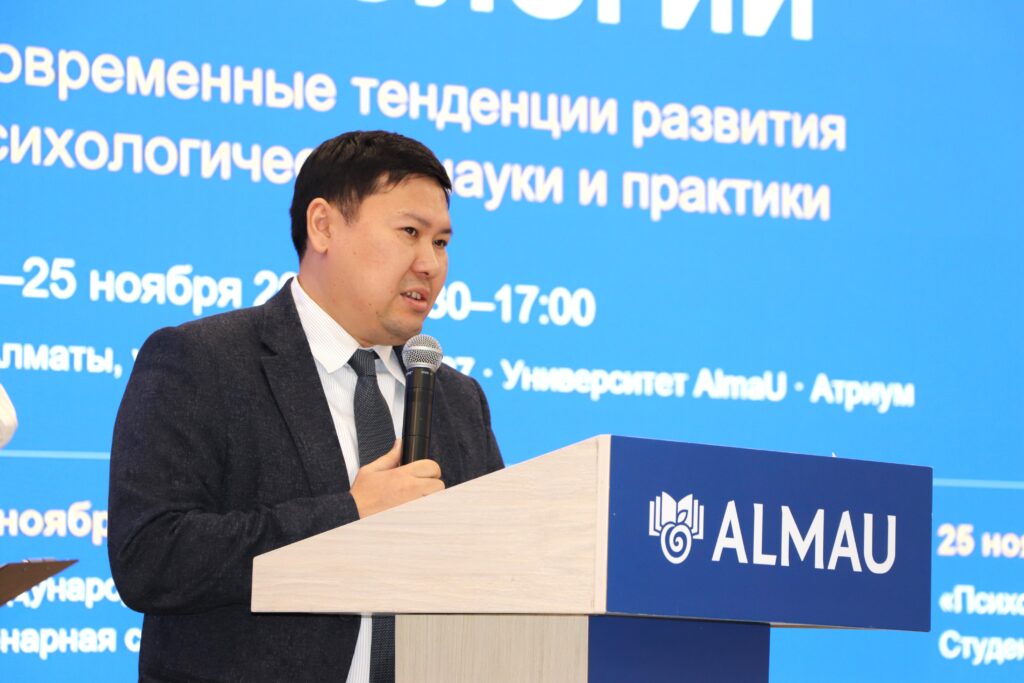
The conference opened with welcoming remarks by AlmaU Rector Timur Buldybayev, who emphasized the importance of psychological science amid ongoing social changes, as well as the need to advance professional education and prepare highly qualified specialists.
“For AlmaU, the development of psychology as an academic and research field is of strategic importance. At the heart of our Tolyq Adam philosophy is the idea of nurturing a well-rounded individual who is professionally successful, socially responsible, and emotionally mature. Today, a university is not simply a place where knowledge is transferred; it is a space where human relationships are built, values are shaped, and personal potential is realized”.
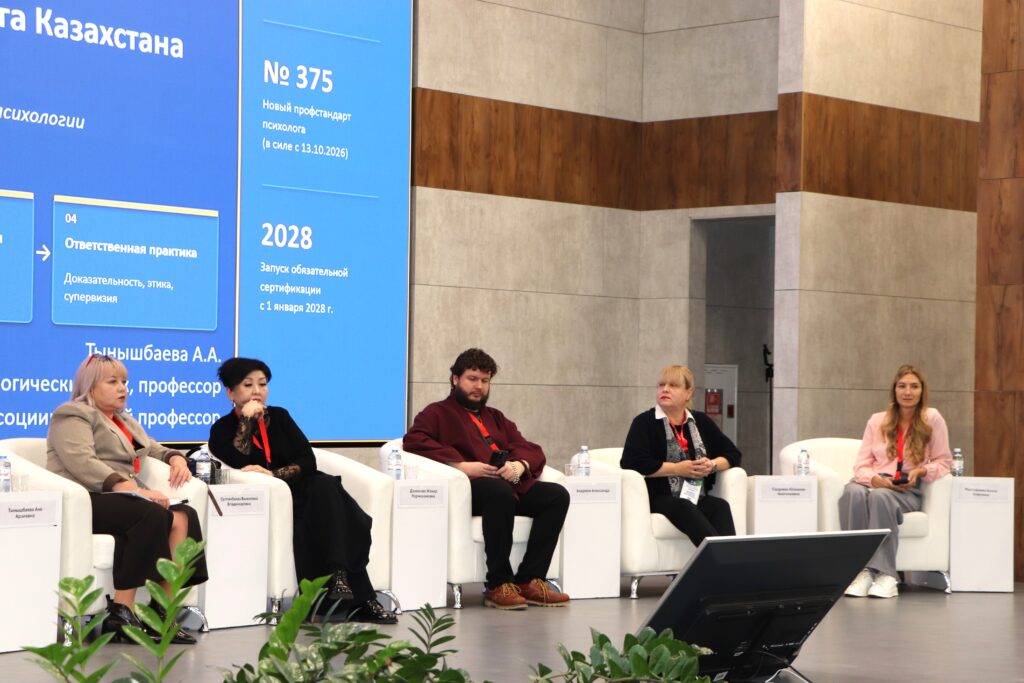
The plenary session featured presentations by members of the academic community and practicing professionals, who shared their research findings and expertise in various areas of psychology.
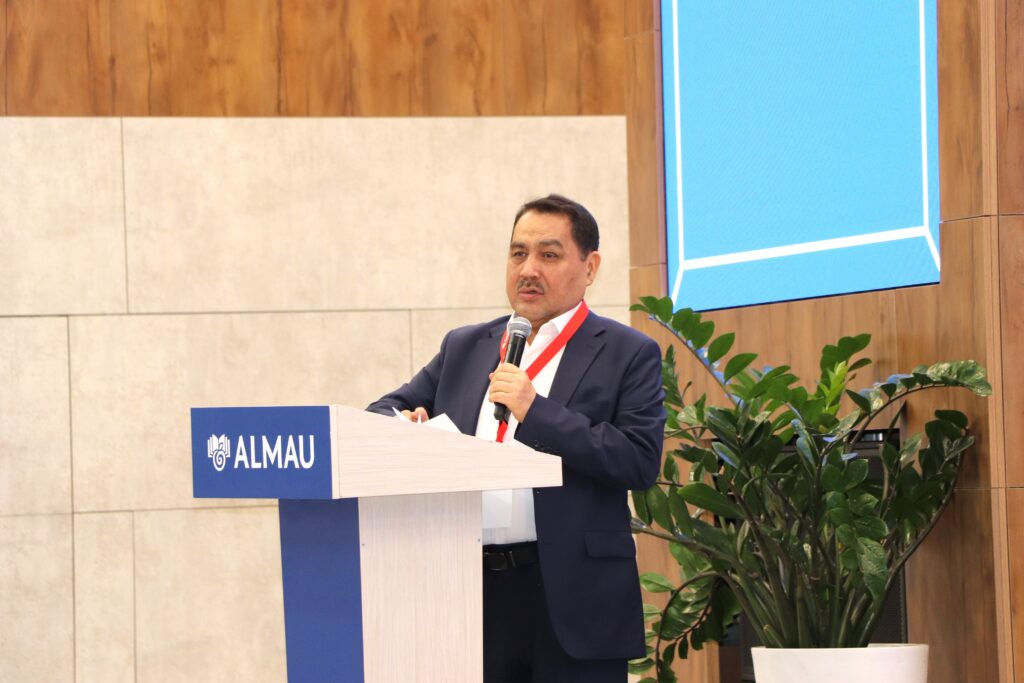
Mukhan Perlenbetov, Professor and President of the Republican Public Association “Kazakh Psychological Society,” presented “Current Trends in the Development of Psychological Practice.” His presentation explored emerging directions in the psychology sector and changes in the professional activities of specialists.
“Modern psychology faces new technological and social challenges. Artificial intelligence and digitalization are transforming the professional environment and raising expectations for specialists’ competencies. In this context, evidence-based approaches, high-quality professional education, adherence to ethical standards, and continuous professional development are particularly important. The psychological community in Kazakhstan faces the task of strengthening professional standards and improving the quality of psychological services,” the professor noted.
Ane Tynyshbayeva, Professor at the Sharmanov School of Health Sciences, addressed the relationship between psychological education and professional practice. In her presentation, “From Psychological Education to Professional Practice: APA International Guidelines and Kazakhstan’s New Professional Standard for Psychologists,” she explored international approaches to training psychologists and developing professional standards in Kazakhstan.
“We need to rethink the content of educational programmes, strengthen psychometric and research training, develop supervision systems, and pay particular attention to professional ethics. Psychologists must not only master practical tools but also understand the scientific foundations of their application, recognize the limits of their competence, and acknowledge their responsibility to the people they support. Universities must become active participants in shaping a modern professional culture among psychologists,” she emphasized.
Zhanar Danenova, Master of Psychology and senior-category psychiatrist, presented “A Universal Approach to the Mechanisms of the Psyche: Responding to the Challenges of Our Time and the Clinical Effectiveness of Genesis Express Psychotherapy.” Her presentation focused on contemporary approaches to understanding psychological mechanisms and the potential application of express psychotherapy in professional practice.
“Applied psychology must be grounded in scientific research, professional competencies, and objective evaluation of outcomes. It is not enough to simply master individual therapeutic methods. Specialists must understand the mechanisms behind their application, take into account each person’s individual characteristics, and comply with professional standards for psychological care,” Danenova explained.
The plenary session also featured Martin Douglas, PhD, Professor and Head of the School of Psychology at the University of Aberdeen. In his presentation, “Cultural Evolution, Gender Stereotypes, and the Influence of Generative AI,” he explored how gender stereotypes are transmitted and reinforced in society, as well as the role of generative artificial intelligence in this process.
“Gender stereotypes do not emerge in isolation. They are passed from one person to another and gradually become embedded in society. Today, artificial intelligence has also become part of this process: it learns from our perceptions and biases and can subsequently reproduce them in its interactions with people. That is why it is important to un derstand how technology shapes the way we perceive one another and what social attitudes we unintentionally pass on to future generations.”
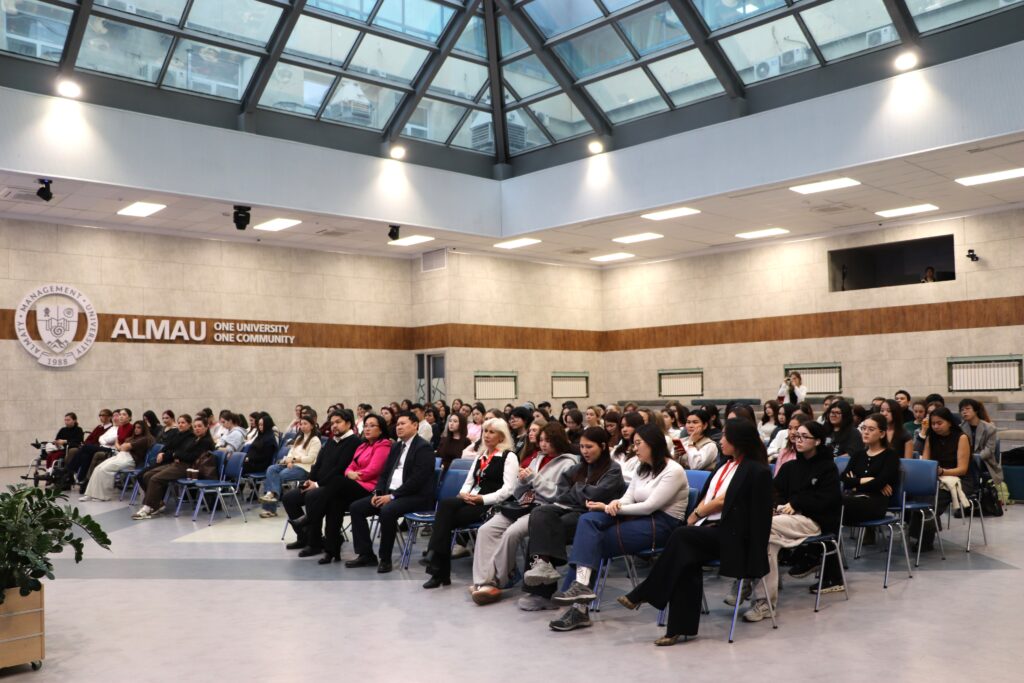
Alina Mustafaeva, Head of the Association of Speech Therapists and Special Education Professionals RiK, presented “Physically Close, Emotionally Distant: The Smartphone as a Third Participant in Parent–Child Interaction.” Drawing on research conducted by the centre, she highlighted the impact of the digital environment on children’s development and emphasized the importance of face-to-face communication and emotional connection within families.
“A child’s emotional development largely depends on how attentively and sensitively adults interact with them. It is important not to rush children, but to give them time to experience their emotions, talk with them, play, and read together. Even simple family habits, such as reading together, help strengthen parent–child relationships. I therefore encourage parents to put their phones aside more often and give their children what matters most: their time and attention.”
On November 25, the Psychology Week programme continued with the “Psycho Express” event, which featured individual express consultations with practising psychologists specialising in cognitive behavioural therapy (CBT) and Gestalt therapy. Participants had the opportunity to receive professional psychological support and learn about different psychotherapeutic approaches.
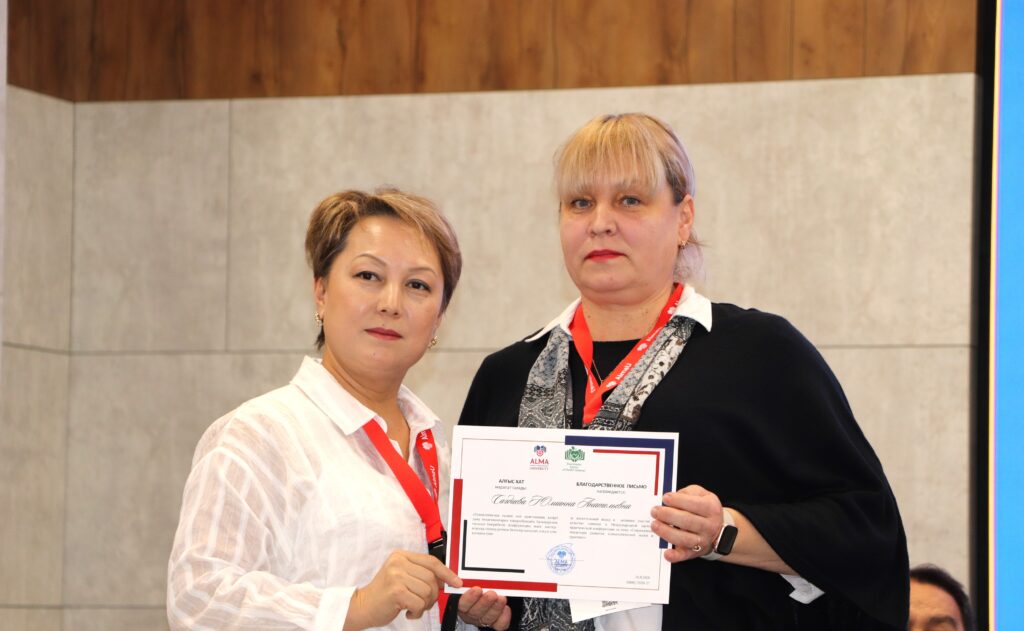
Interuniversity student competitions were also held, including the “Blitz Quiz”, the essay competition titled “Current Trends in the Development of Psychological Science and Practice”, and the social video competition titled “Contemporary Realities of Mental Health”. Students from AlmaU, Turan University, Caspian University, Q University, and Abai Kazakh National Pedagogical University took part in the competitions.
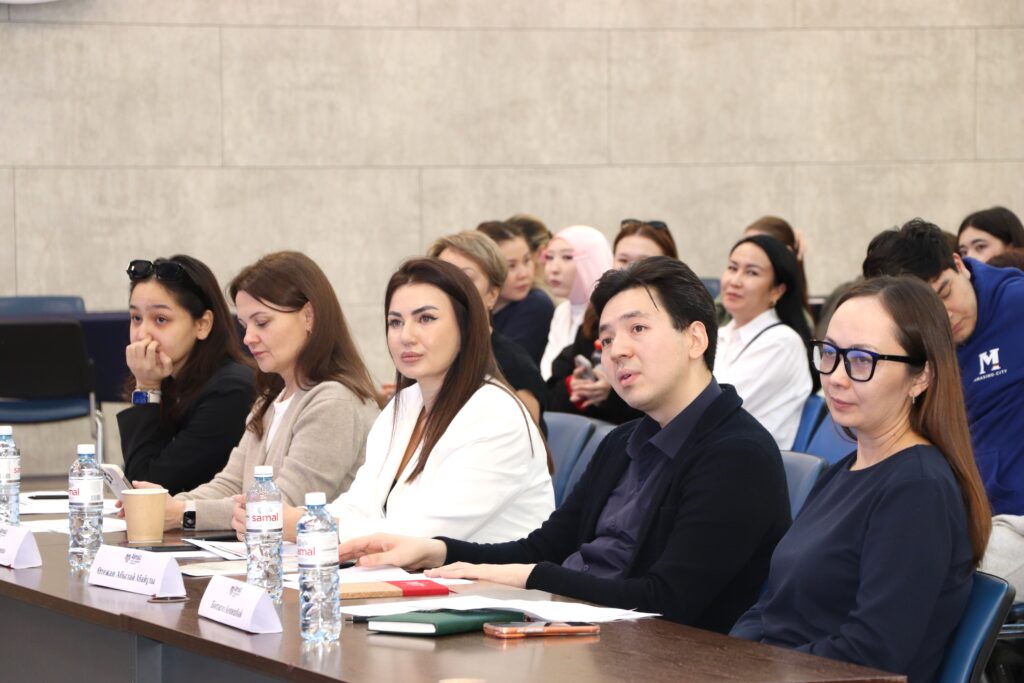
The results of the competitions were as follows:
“Blitz Quiz”:
- 1st place — Caspian University;
- 2nd place — Q University;
- 3rd place — AlmaU.
Essay Competition: “Current Trends in the Development of Psychological Science and Practice”:
- 1st place — Turan University;
- 2nd place — Q University;
- 3rd place — AlmaU.
Social Video Competition: “Contemporary Realities of Mental Health”:
- 1st place — AlmaU;
- 2nd place — Caspian University;
- 3rd place — Abai Kazakh National Pedagogical University.
The competition programme concluded with an award ceremony honouring the winners and runners-up.
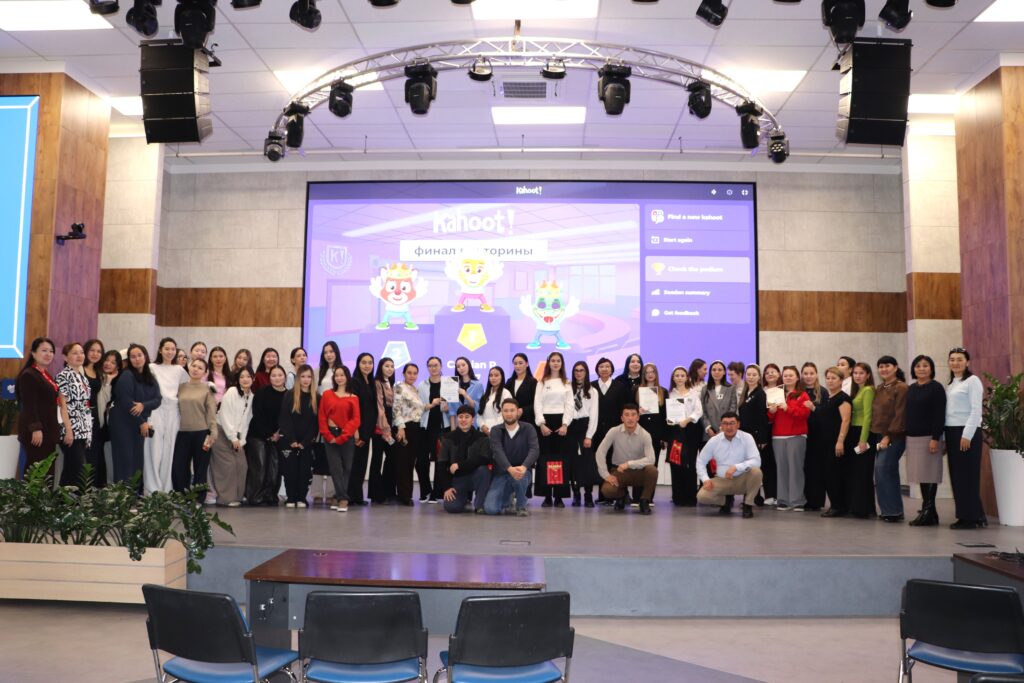
The conference provided a platform for professional dialogue among representatives of science, education, and psychological practice. The exchange of research findings, perspectives, and international experience contributes to strengthening the professional community and advancing contemporary approaches to the challenges facing psychological science and practice.