
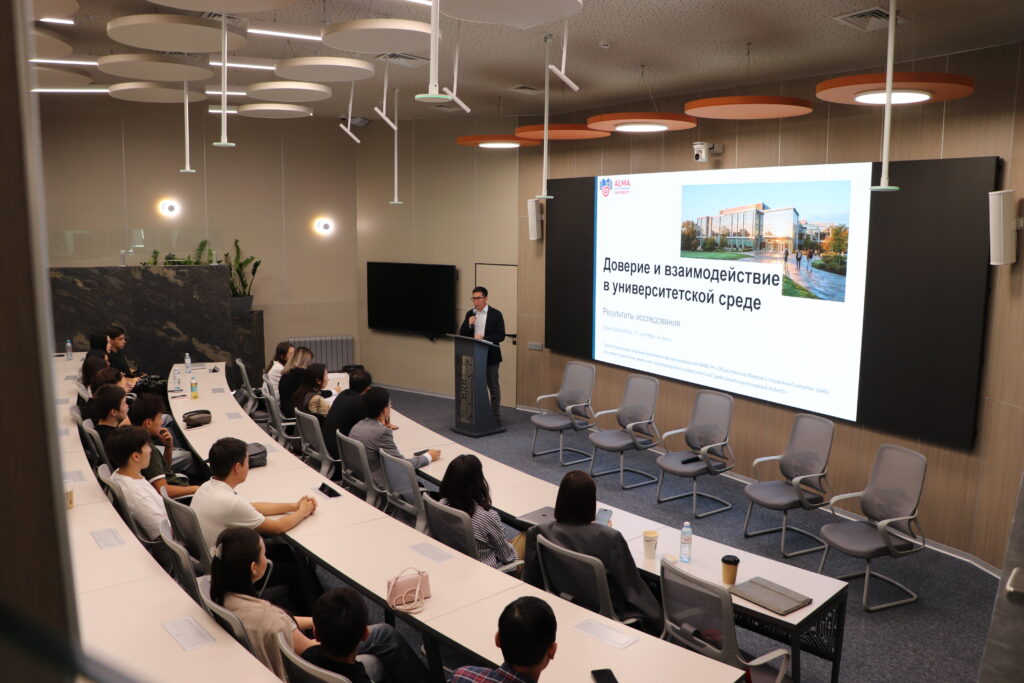
On September 11, AlmaU hosted the seminar “Youth and Institutional Trust: From Research to Decisions.” The event was held in a hybrid format – in person with the option to join online – and became a platform for discussing research findings on youth trust in educational and public institutions, bringing together representatives of academia, government agencies, the diplomatic corps, and civil society.
The seminar was held as part of the project AP27510281 “Public Trust and Social Capital Among the Youth of Kazakhstan: Mechanisms of Formation in the University Environment (an Interdisciplinary Approach),” implemented with grant support from the Science Committee of the Ministry of Science and Higher Education of the Republic of Kazakhstan under the Young Scientists competition.
Sociologist and AlmaU Senior Lecturer Serik Beisembayev presented the research findings.
The first panel discussion, “Youth and Educational Institutions: How to Build a Space of Trust?”, was moderated by project lead Azhar Serikkaliyeva, PhD, Research Professor at AlmaU.
Participants included AlmaU President’s Advisor Didar Mardanov, Balgul Mamen, Head of Methodological Support for Youth Resource Centers at the National Research Center “Jastar” (Ministry of Culture and Information of the Republic of Kazakhstan), and Aibolat Sembiyev, National Student Ombudsman.
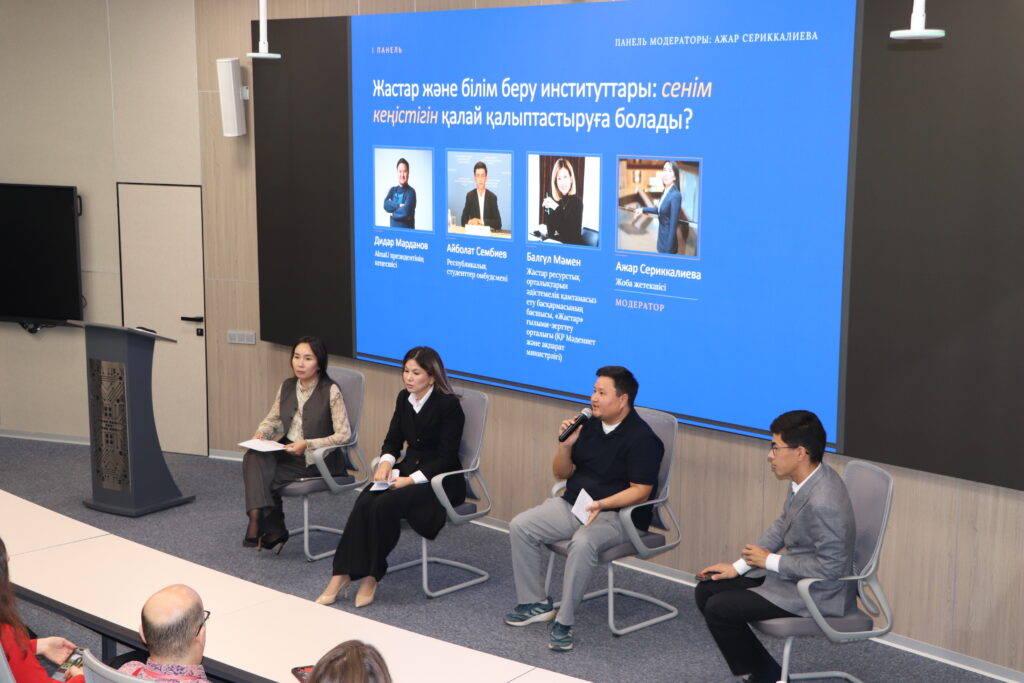
Panelists discussed what shapes young people’s trust in educational institutions today, which practices undermine that trust, and what role university administrations play in building it.
The second panel, “Youth Participation in Kazakhstan: New Forms, Opportunities, and Challenges,” was led by Irina Mednikova, Director General of the public foundation “Youth Information Service of Kazakhstan” (YISK).
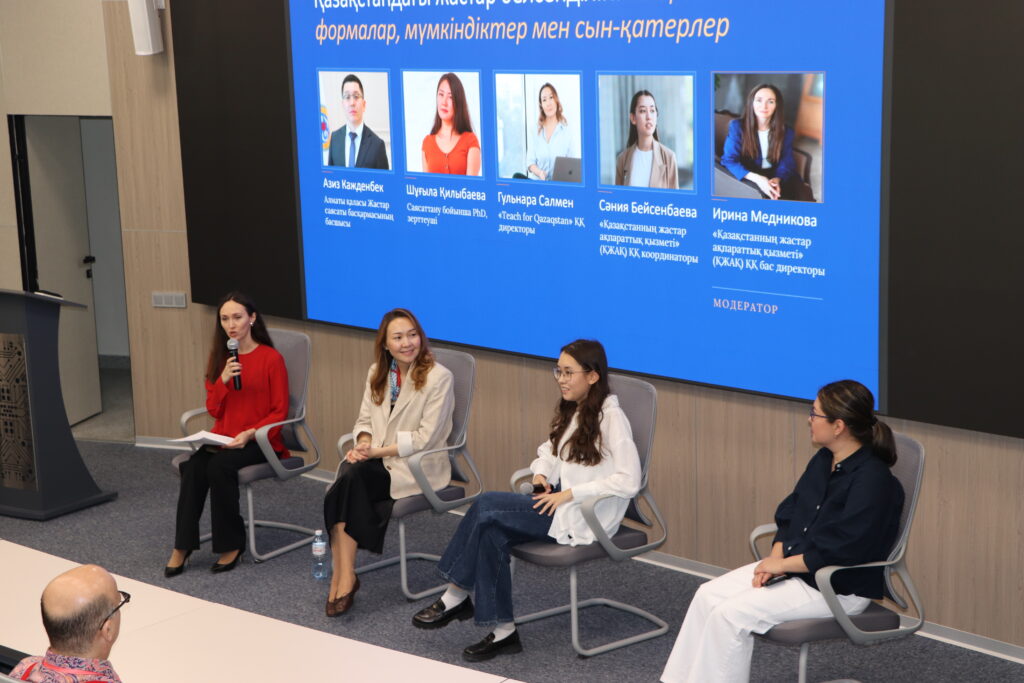
Speakers included Shugyla Kilybayeva, PhD in Political Science and researcher; Gulnara Salmen, Director of the public foundation “Teach for Qazaqstan”; and Saniya Beisenbayeva, YISK coordinator.
The panel examined what motivates young Kazakhstanis to participate in public life, what new forms of youth activism and self-organization are emerging in the country, and how to ensure youth participation is not limited to one-off events or symbolic representation.
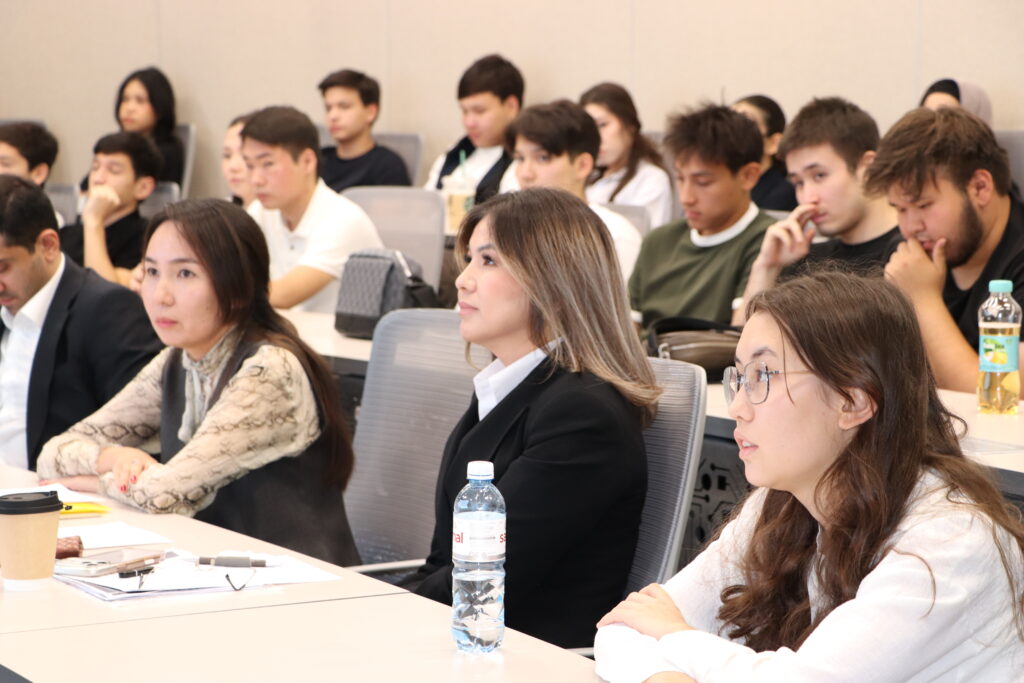
The seminar marked another stage in the project’s implementation for 2026 the discussion outcomes will inform recommendations for universities and youth organizations in Kazakhstan.