
From July 9 to 22, 2026, master’s students from Almaty Management University took part in the international summer school Digital Transformation International Summer School, organized by the College of Management and Economics (CoME) of Tianjin University — China’s first modern university, founded in 1895.
The two-week program brought together professors, industry experts, and students from around the world, providing a platform for exploring current approaches to digital transformation, artificial intelligence, platform economics, and business management, as well as for international academic exchange.
A Warm Start to the Program
Upon arrival in Tianjin, AlmaU master’s students were welcomed by university volunteers, and the official opening ceremony of the summer school took place the very next day. To mark the start of the collaboration, participants received commemorative gifts — a symbol of the host institution’s hospitality and the beginning of international academic engagement.
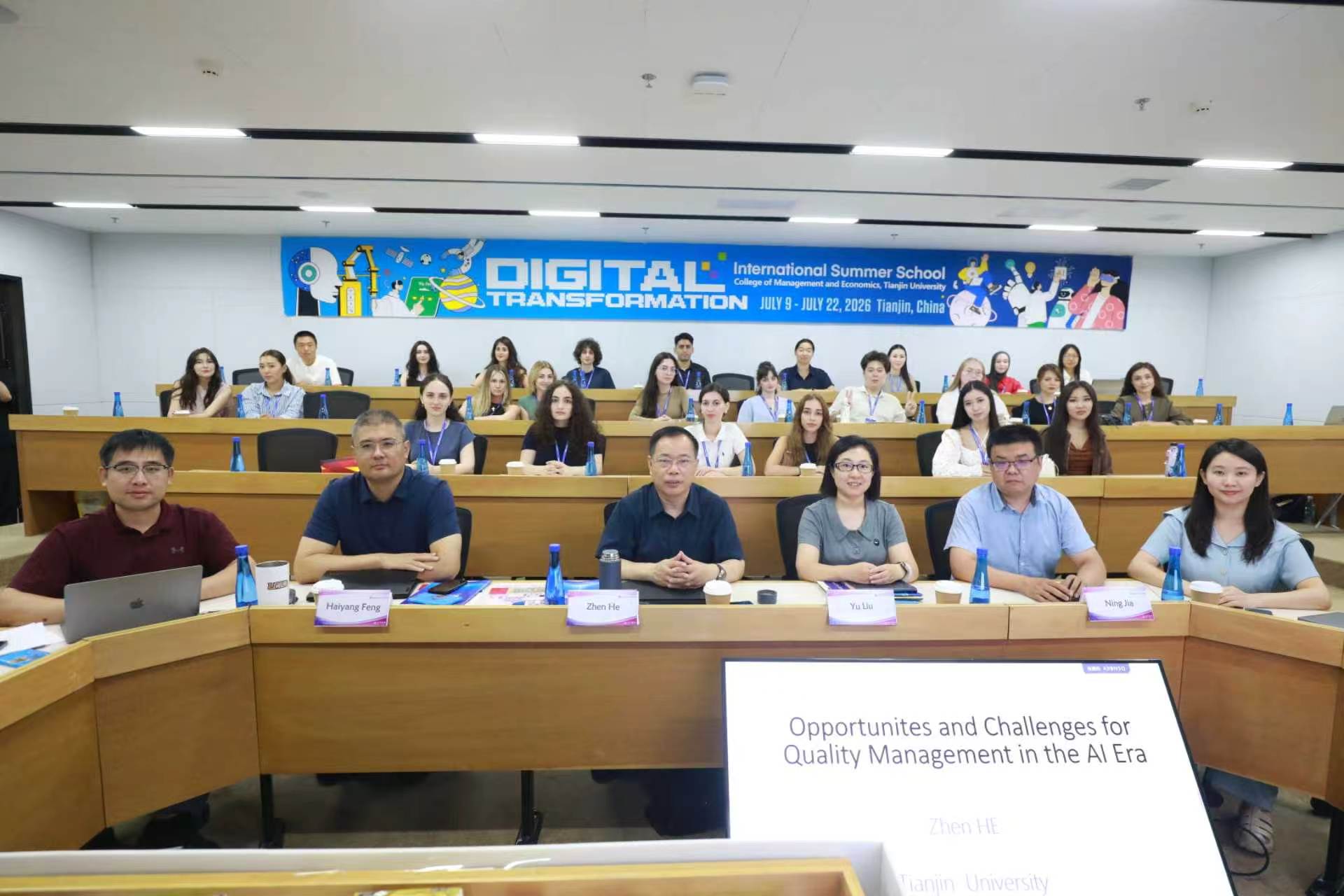
Week One: Digital Economy, Platforms, and Artificial Intelligence
The academic program was opened by Professor Zhen He, Dean of the College of Management and Economics and recipient of the prestigious Changjiang Scholar scholarship, as well as a member of the International Academy for Quality (IAQ). In his keynote lecture, he presented current approaches to quality management in the age of artificial intelligence, showing how AI is transforming production processes, logistics, supply chains, and customer service.
Considerable interest was drawn by the lecture of Geyu Yang, which examined trust mechanisms and reputation systems on digital platforms, as well as by the presentation of Yinshan Tang, Vice Dean of Henley Business School (University of Reading), who shared insights on international cooperation in business education.
Practical case studies on the implementation of generative AI and AI agents in Chinese enterprises were shared by Runbang Cui, CEO of Fantaike Technology. The role of youth in addressing global challenges was discussed by Tianjin University master’s student Yuanrui Liu, who represented China at events of the UN FAO World Food Forum.
The first week concluded with a lecture by Xiaoxi Zhang, covering modern digital marketing strategies, the growth of social platforms, influencer marketing, and the use of artificial intelligence in communications.
Week Two: Intelligent Manufacturing and Decision-Making
In the second half of the program, participants explored intelligent decision-making systems, platform economics, business process optimization, and modern manufacturing technologies.
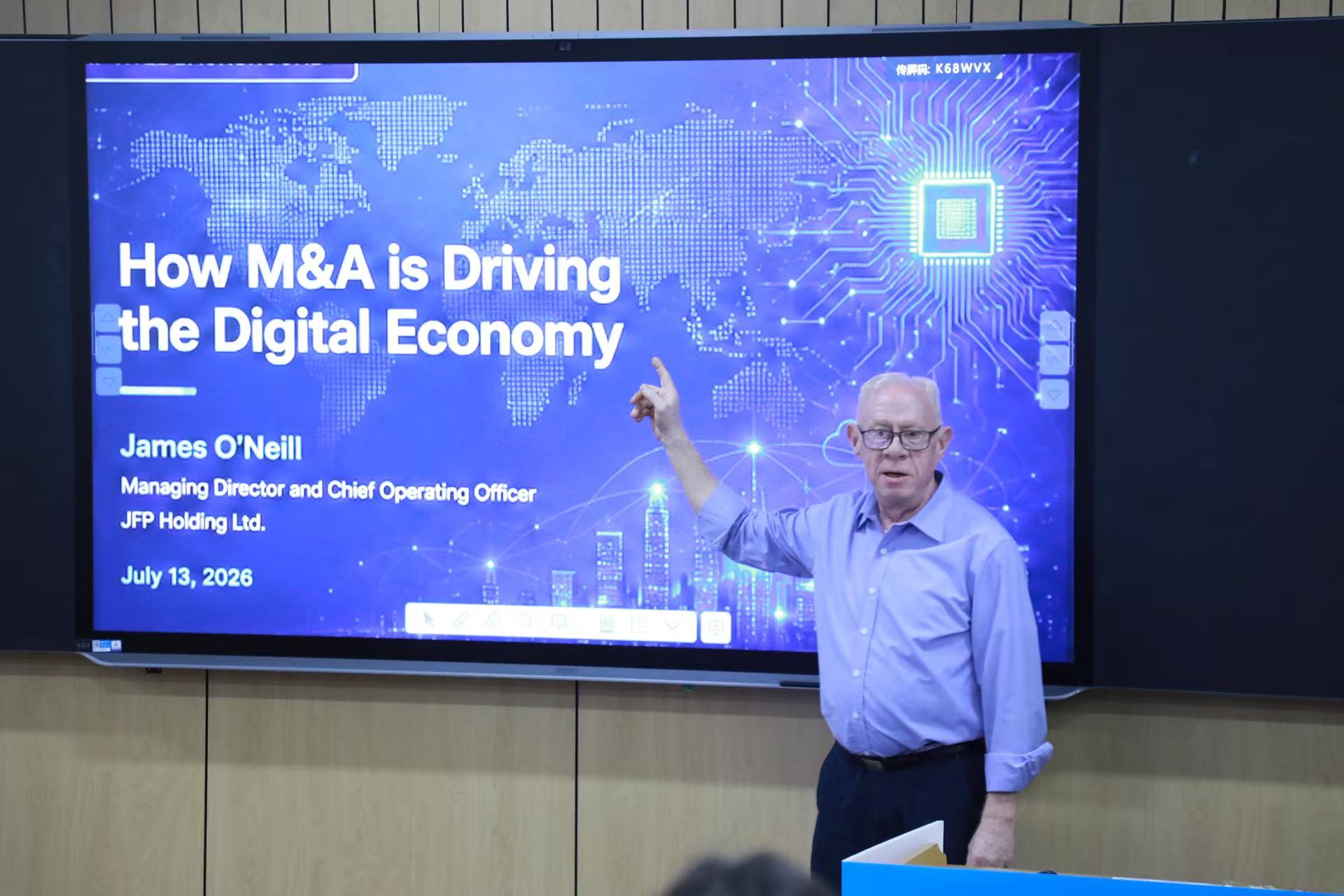
One of the key speakers was James O’Neill, Managing Director of JFP Holdings, who offered a global perspective on the development of the digital economy in the US, Europe, and China.
Great interest was also generated by the lectures of Wilson Ni, Chairman of the Automotive Intelligence Society, on “Development of Automotive Intelligence in China.” With more than thirty years of experience at Mercedes-Benz China, General Motors/Opel China, and ASIMCO Group, the speaker discussed China’s position in the global auto industry, its history and future prospects, the electric vehicle boom, and whether the globalization of China’s automotive and components industry represents a threat or an opportunity for the rest of the world; of Professor Ali Kharrazi, on the digital transformation of environmental governance and sustainable development; and of Assistant Professor Shujing Sun from the University of Texas at Dallas, who examined the application of artificial intelligence in healthcare and the nuances of human–AI interaction in decision-making.
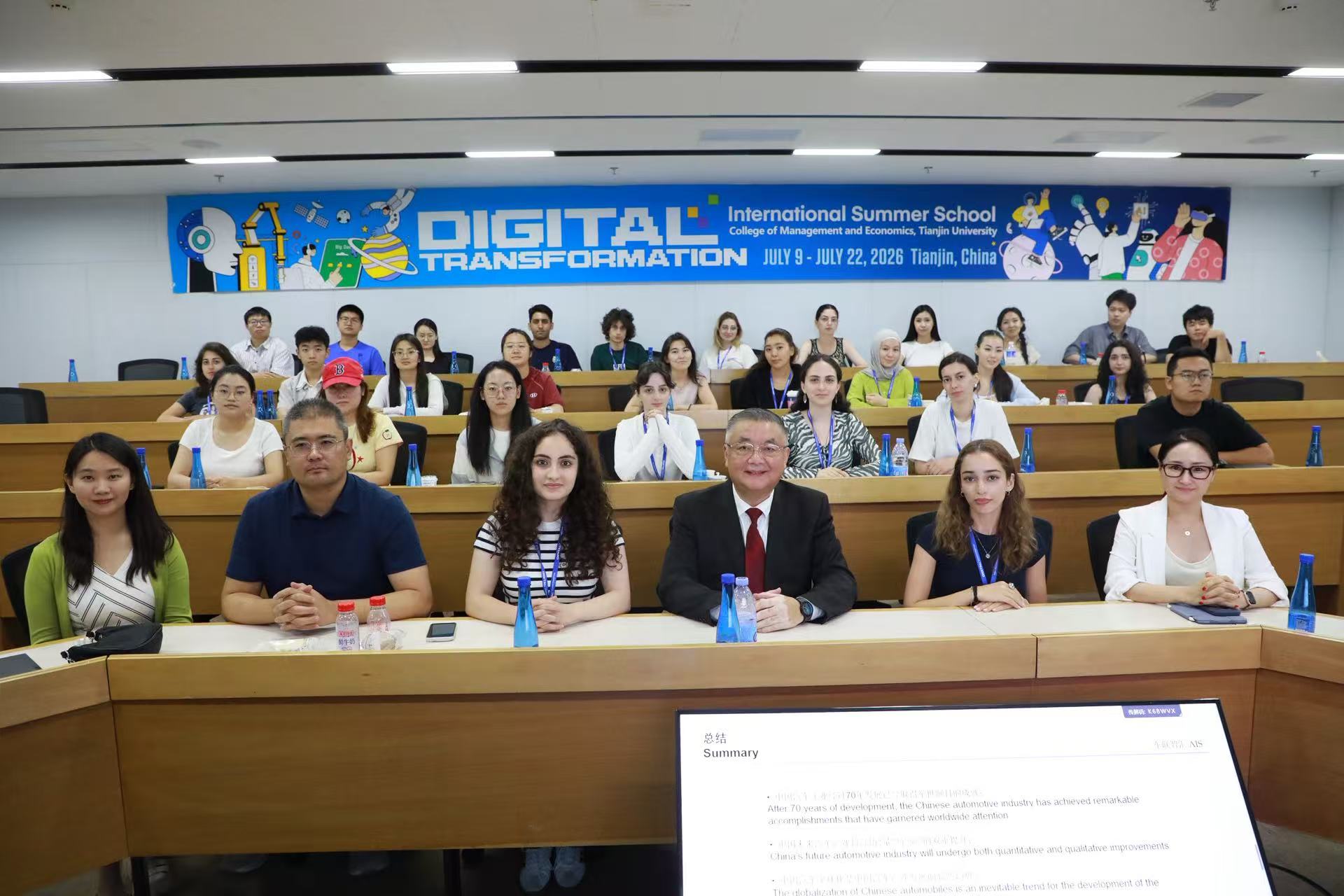
Participants also learned about current approaches to reinforcement learning, platform markets, production systems management, optimization under uncertainty, and digital advertising.
Practical Sessions and International Experience
An important part of the program was its practical sessions, which allowed participants to see how the technologies they studied are applied in real practice.
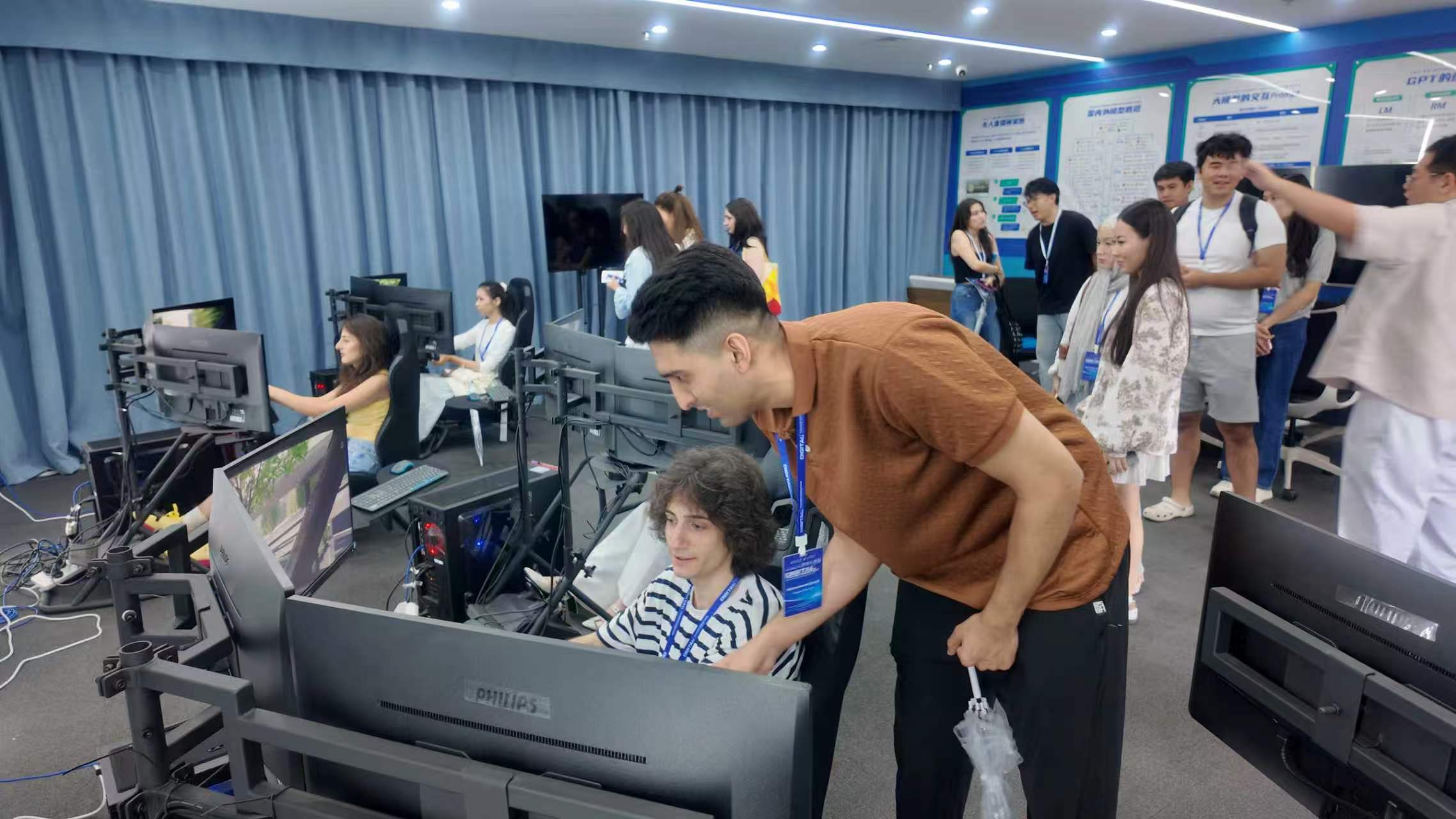
At Tianjin University’s Laboratory of Computation and Analytics of Complex Management Systems, master’s students visited this research facility and saw how the university applies data analysis and modeling tools to study complex management and economic systems.
One of the most memorable events was a visit to the Lenovo production facility, where master’s students learned about the organization of high-tech manufacturing and modern principles of industrial digitalization.
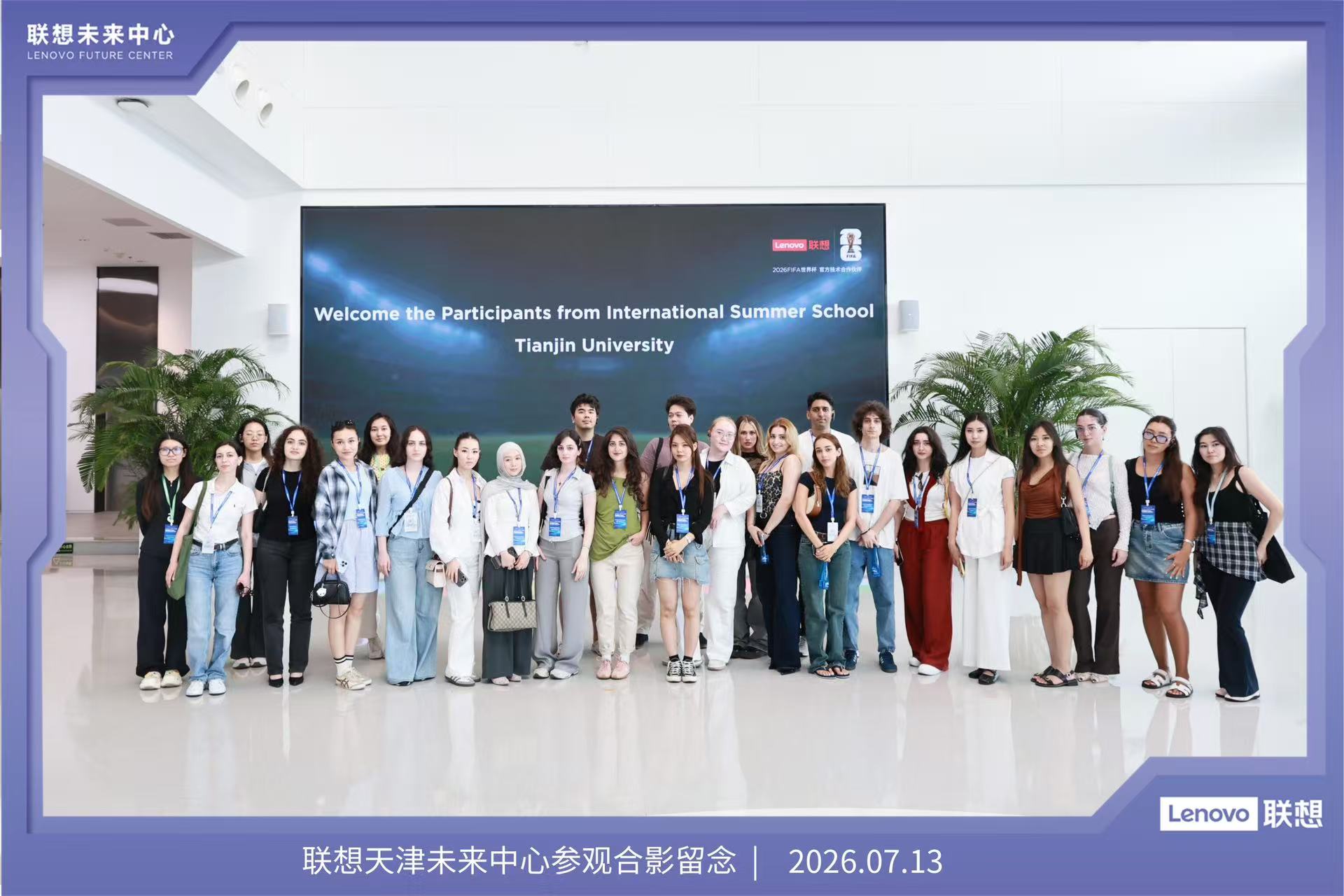
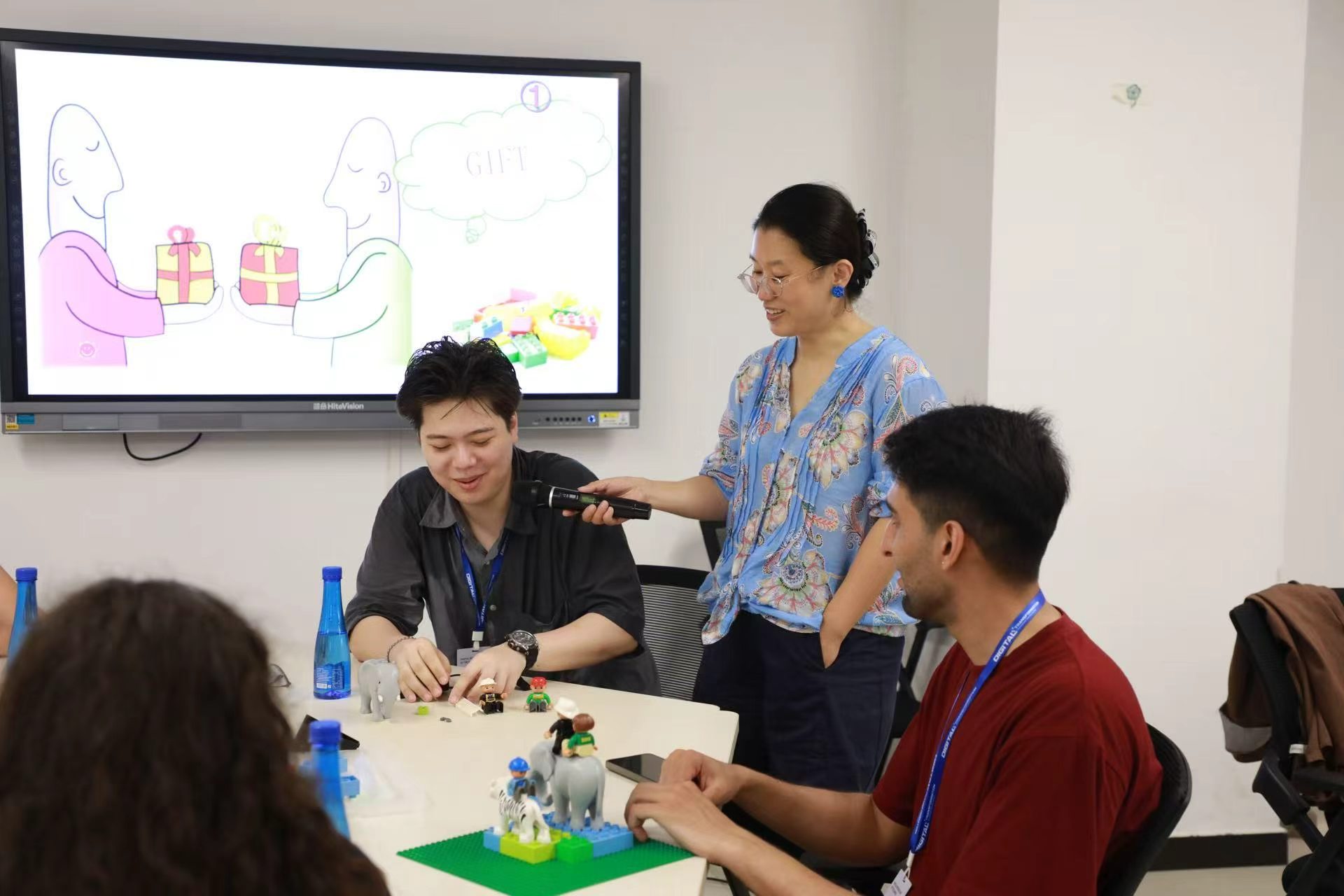
Participants also learned about the joint educational program TJU–UOR Henley College, opportunities for international study at Tianjin University, took part in a team-building LEGO workshop led by Professor Xiaomei Li, and exchanged experiences with students and faculty from around the world.
Discovering Chinese Culture
In addition to the academic program, organizers prepared a rich cultural itinerary. Master’s students visited the historic Five Great Avenues district, the Tianjin Museum, the History Museum of the College of Management and Economics, and took part in an excursion to Beijing.
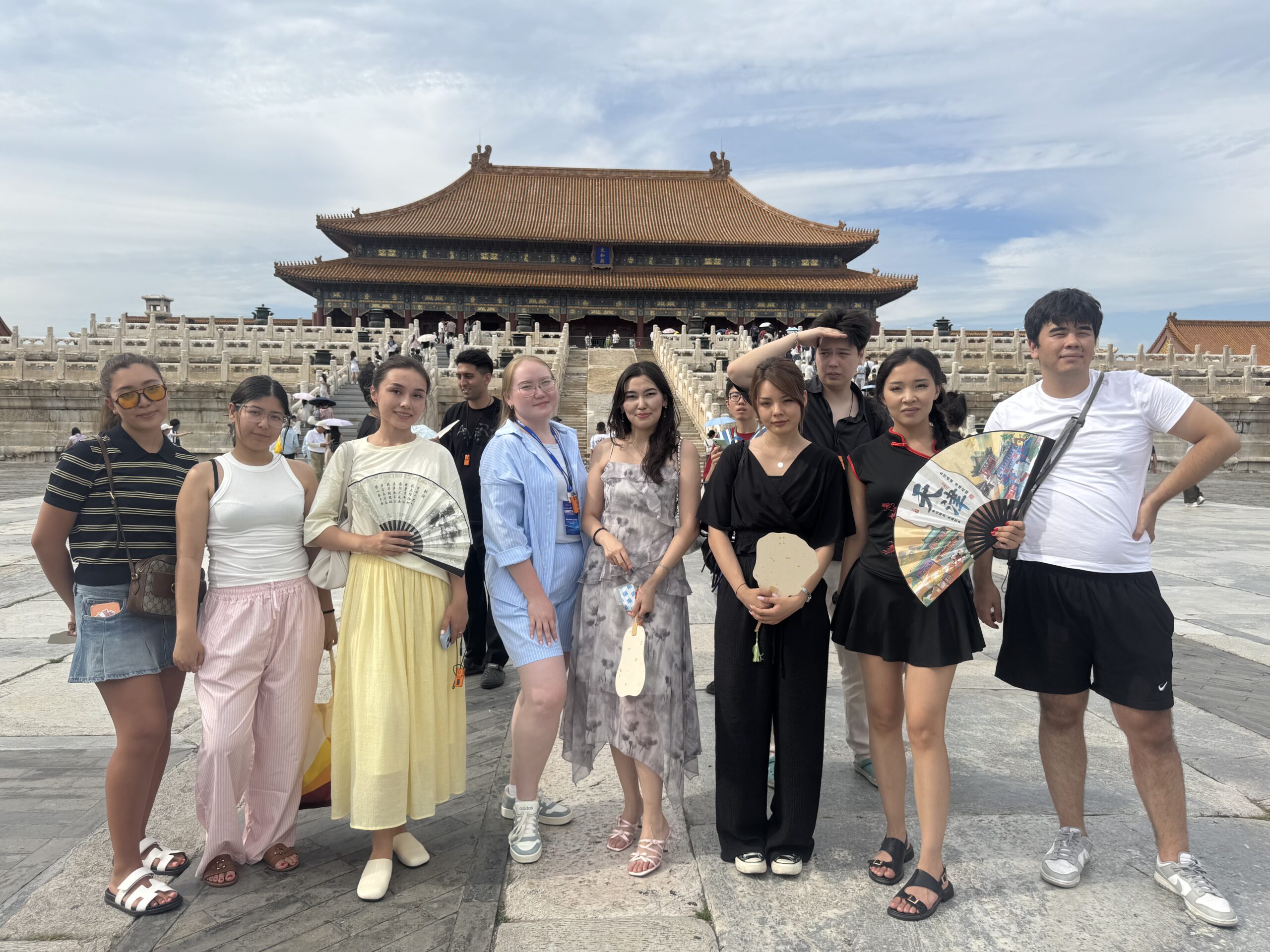
This combination of academic, practical, and cultural elements allowed participants not only to deepen their professional knowledge but also to gain a better understanding of China’s history, traditions, and contemporary life.
What the Program Means for AlmaU
The international summer school gave AlmaU master’s students the opportunity to engage with leading global research in digital transformation, artificial intelligence, platform economics, and intelligent manufacturing, to build professional connections with leading scholars and experts, and to gain experience studying in an international academic environment.
Participation in such programs helps develop students’ professional competencies, broadens their international outlook, and strengthens AlmaU’s academic cooperation with leading foreign universities.
Almaty Management University continues to steadily build its international partnerships, opening up new opportunities for students in academic mobility, research internships, and study within the global educational environment.